

Introduction
The UAE is home to some of the oldest archaeological sites in the Arabian Peninsula, offering a rare glimpse into early human settlement, trade, and culture. Long before modern cities emerged, ancient tribes, merchants, and craftsmen lived across the Emirates. This article explores the UAE’s most important archaeological sites and their cultural significance.
Historical Background
Archaeological discoveries show that the UAE has been inhabited for over 100,000 years. Excavations in Al Ain, Umm Al Quwain, Sharjah, and Abu Dhabi reveal settlements from the Bronze Age, Iron Age, and pre-Islamic periods.
Key findings include pottery, tools, burial tombs, and evidence of early agriculture.
Important ancient sites include:
- Hili Archaeological Park (Al Ain)
- Mleiha Archaeological Centre (Sharjah)
- Jumeirah Archaeological Site (Dubai)
- Ed-Dur (Umm Al Quwain)
- Sir Bani Yas Island (Abu Dhabi)
These findings highlight the UAE’s role as a link between Mesopotamia, Persia, and the Indus Valley.
Key Features of Ancient Sites
1. Hili Archaeological Park (Al Ain)
- Bronze Age tombs
- Ancient irrigation systems (falaj)
- Well-preserved stone structures
2. Mleiha Archaeological Centre (Sharjah)
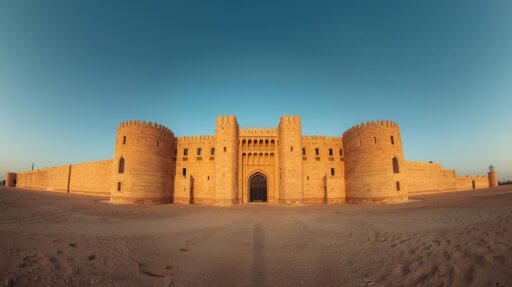
- Iron Age fort
- Ancient camel burial sites
- Tools and artifacts from early civilizations
3. Ed-Dur (Umm Al Quwain)
- One of the largest pre-Islamic settlements
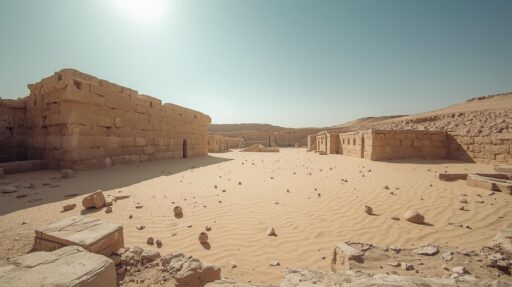
- Stone houses, temples, and pottery kilns
4. Jumeirah Archaeological Site
- Caravan stop along ancient trade routes
- 9th–11th century artifacts
5. Sir Bani Yas Monastery
- Early Christian settlement
- Stone church, cells, and courtyard
Cultural Significance
These ancient sites show how early communities adapted to desert life through trade, agriculture, and craftsmanship.
They highlight:
- Early irrigation systems
- Trade across sea and desert routes
- Religious diversity
- Innovations in pottery and metalwork
Modern Relevance
Today, these sites attract scholars, tourists, and heritage enthusiasts. Museums and heritage centers help preserve artifacts and educate the public about ancient civilizations in the UAE.
Conclusion
The UAE’s archaeological sites serve as a bridge to the past, offering insights into early human life, cultural exchange, and technological innovation. Preserving these sites ensures that ancient stories continue to shape national identity.