

Introduction
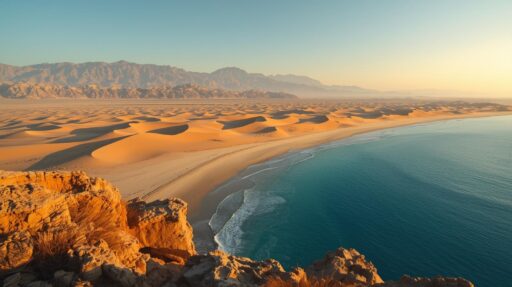
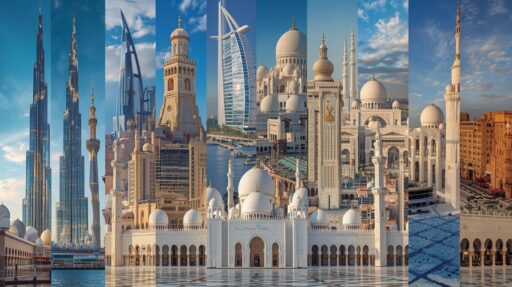
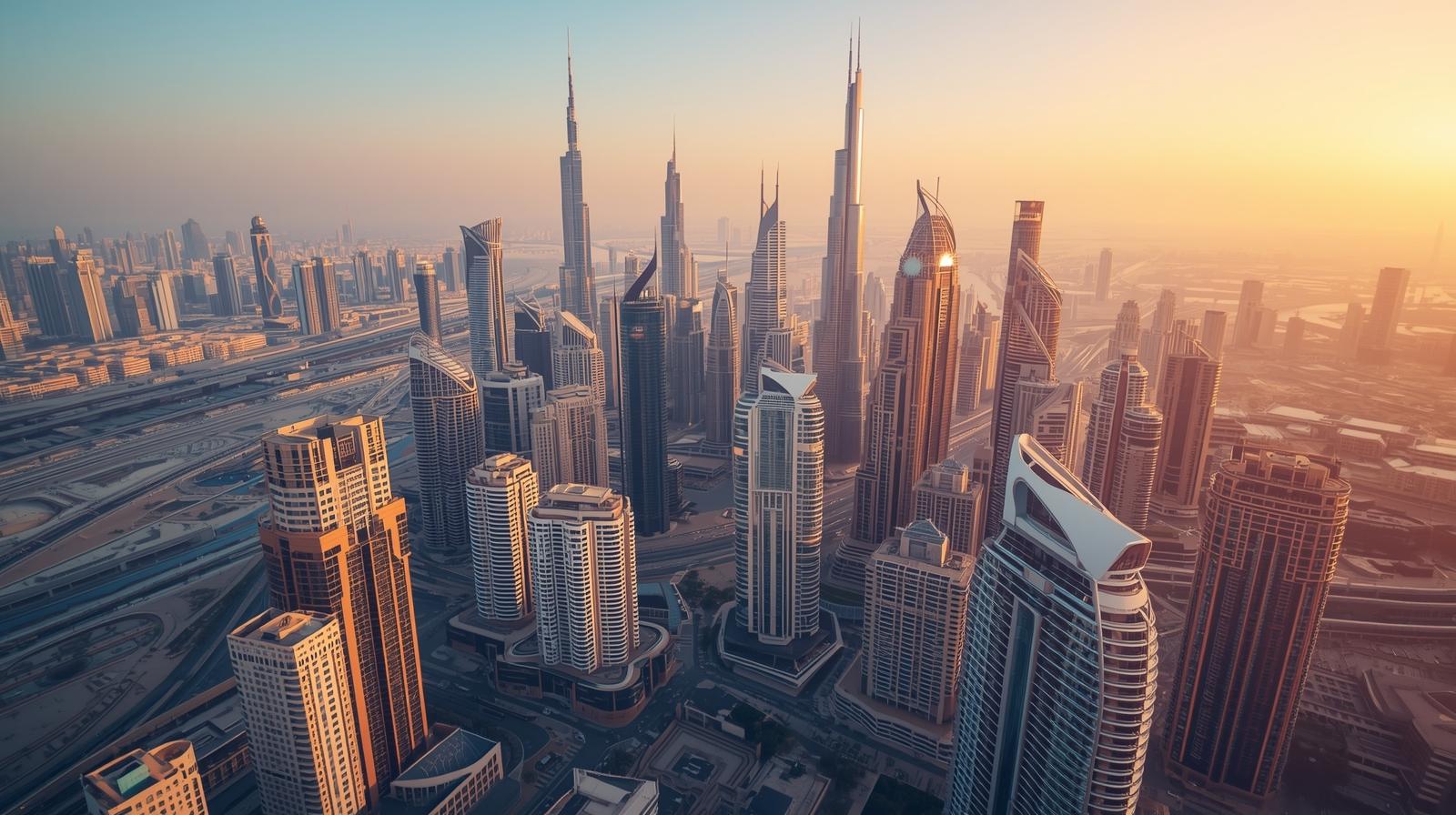
In just a few decades, the UAE transformed from small desert towns into a global hub of innovation, design, and architectural excellence. World-famous skyscrapers, cultural centers, and futuristic developments reflect the nation’s ambition. This article explores the rise of modern architecture in the UAE and the factors that shaped this transformation.
Historical Background
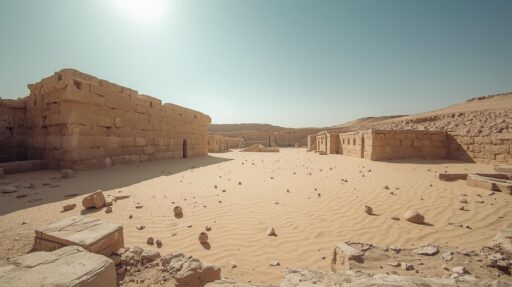
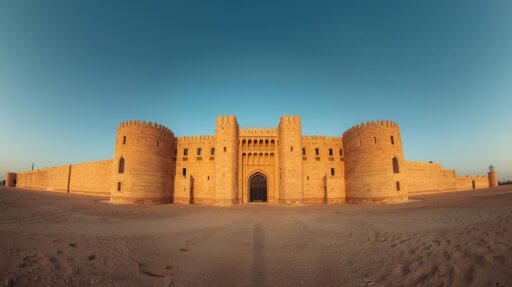
Before the 1970s, most Emirati structures were built from coral stone, mudbrick, and palm trunks. With the discovery of oil and the formation of the UAE in 1971, rapid development began. Dubai and Abu Dhabi led the architectural revolution, inviting world-class designers to create groundbreaking structures.
Key Features of Modern UAE Architecture
1. Burj Khalifa
- Tallest building in the world
- Inspired by desert flower Hymenocallis
- Reflects UAE’s ambition and leadership
2. The Louvre Abu Dhabi
- Iconic dome inspired by palm leaf patterns
- First universal museum in the region
- Architectural masterpiece by Jean Nouvel
3. Burj Al Arab
- Designed like a rising sail
- Symbol of luxury tourism
- Located on an artificial island
4. Museum of the Future
- Futuristic torus shape
- Stainless-steel façade with Arabic calligraphy
- Represents innovation and knowledge
5. Palm Jumeirah
- World’s largest artificial island
- Engineering marvel
- Tourism and residential destination
Cultural Significance
Modern architecture in the UAE represents:
- Innovation
- National pride
- Global influence
- Balance between heritage and modernity
Buildings often incorporate traditional elements like mashrabiya patterns, courtyards, and geometric designs.
Modern Relevance
UAE architecture influences global trends in:
- Sustainability
- Smart city development
- Urban planning
- Cultural tourism
These projects attract investors, visitors, and architects worldwide.
Conclusion
The UAE’s architectural evolution is a symbol of its vision for the future. From skyscrapers to cultural museums, modern structures showcase creativity, ambition, and global leadership.