

Introduction
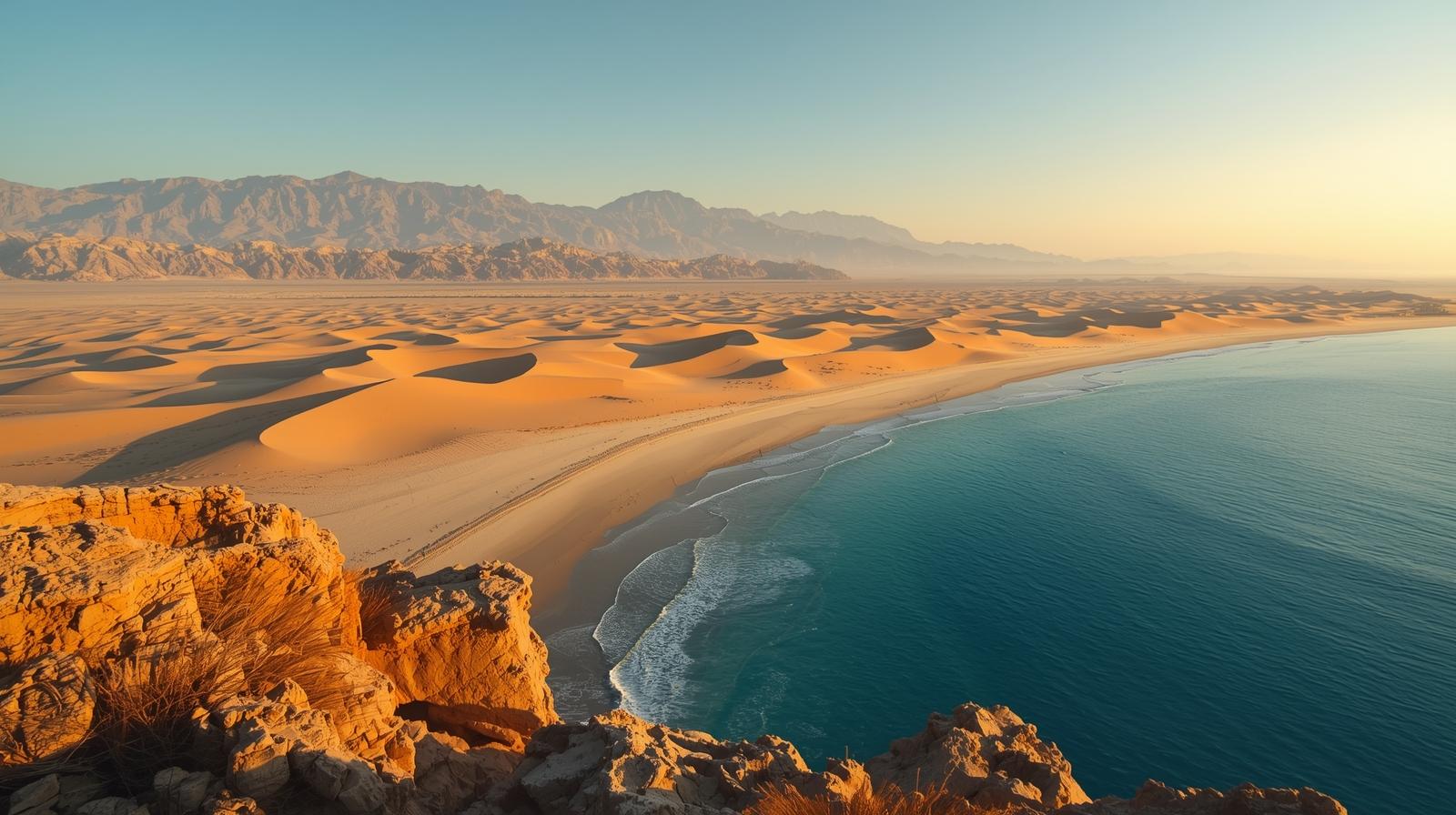
Beyond its skyscrapers and modern cities, the UAE is home to stunning natural landscapes, including towering mountains, vast deserts, lush oases, and pristine coastlines. These natural landmarks shaped Emirati life for centuries. This article explores the UAE’s most important natural landmarks and their significance.
Historical Background
Before urban development, Emirati tribes lived in three main environments:
- Mountains — Hajar Mountains (farming, defense)
- Deserts — Empty Quarter (nomadic Bedouin life)
- Coastlines — Gulf region (pearl diving, fishing)
These landscapes influenced culture, survival skills, and traditional architecture.
Key Natural Landmarks
1. Jebel Jais
- Highest mountain in the UAE
- Home to world’s longest zipline
- Popular for hiking and photography
2. Liwa Desert
- Edge of the Empty Quarter (Rub’ al Khali)
- Historic area for Bedouin tribes
- Dunes used for camel trekking and desert festivals
3. Al Ain Oasis
- UNESCO World Heritage Site
- Ancient falaj irrigation system
- Green sanctuary with over 100,000 date palms
4. Hatta Dam
- Turquoise reservoir surrounded by mountains
- Kayaking and eco-adventures
- Historic mountain village nearby
5. Sir Bani Yas Wildlife Reserve
- Protected natural island
- Home to Arabian oryx, gazelles, giraffes
- Eco-tourism destination
Cultural Significance
Natural landscapes shaped:
- Nomadic heritage
- Farming traditions
- Fishing and pearling culture
- Tribal social structures
These environments tell the story of Emirati resilience and ingenuity.
Modern Relevance
Today, natural landmarks support:
- Eco-tourism
- Outdoor sports
- Conservation programs
- Cultural education
They help balance modern development with heritage preservation.
Conclusion
The UAE’s natural landmarks offer breathtaking beauty and deep cultural meaning. From towering mountains to historic oases, these landscapes preserve the soul of the Emirates and continue to inspire new generations.