

Introduction
The forts of the UAE stand as strong reminders of a time when defense, trade, and tribal leadership shaped the region’s history. These structures served as watchtowers, homes for rulers, military bases, and meeting points for tribes. This article explores the UAE’s most significant historic forts and their role in shaping Emirati identity.
Historical Background
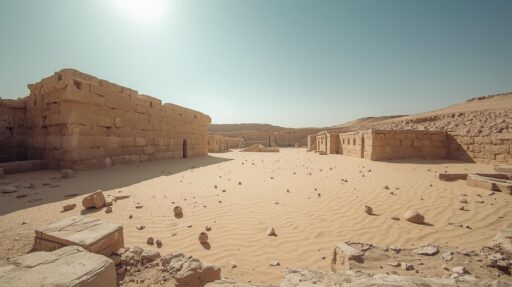
From the 16th to the early 20th century, the UAE region (then known as the Trucial States) saw constant threats from rival tribes, foreign powers, and maritime conflicts. To safeguard settlements, tribes built forts using coral stone, mudbrick, palm trunks, and gypsum.
Important forts include:
- Al Fahidi Fort (1787) – Dubai
- Fujairah Fort (1670) – Fujairah
- Al Jahili Fort (1890s) – Al Ain
- Dhaya Fort – Ras Al Khaimah
These forts once served as administrative centers and symbols of authority.
Key Features of UAE’s Historic Forts
1. Defensive Design
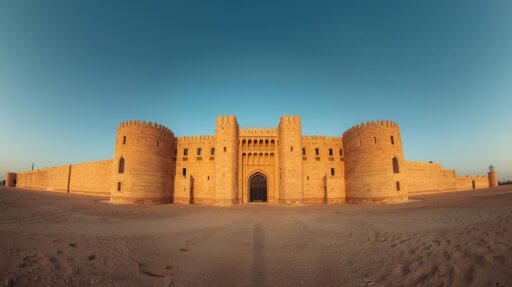
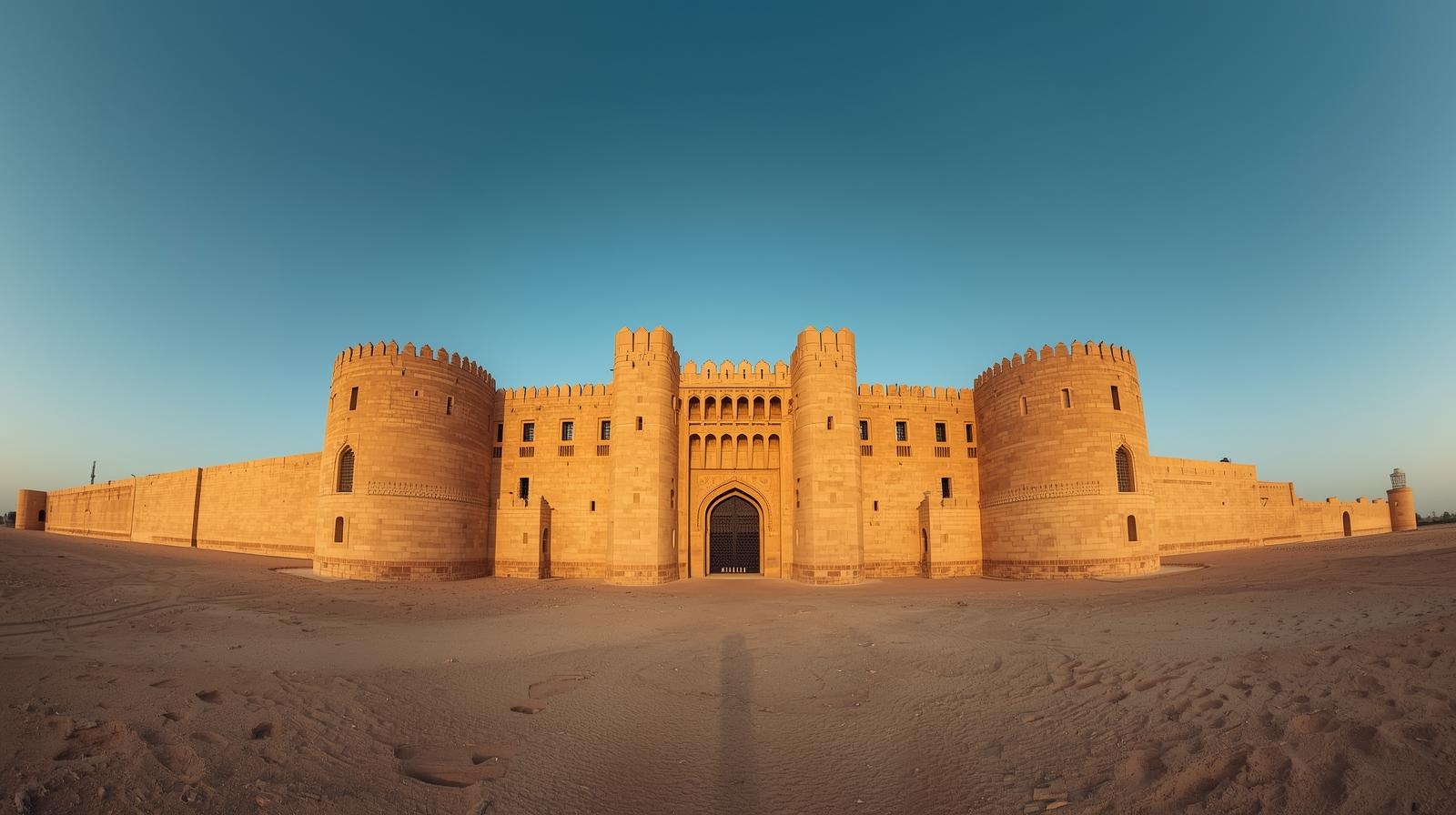
- Circular or square watchtowers
- Thick walls (sometimes 2–3 meters)
- Strategic hilltop locations
2. Materials
- Coral stones from the coast
- Mudbrick in desert regions
- Palm trunks for roofing
3. Layout
- Central courtyard
- Majlis rooms
- Storage areas for dates, weapons, and water
Cultural Significance
Forts played a crucial role in:
- Protecting trade routes
- Unifying tribes under strong leadership
- Hosting community gatherings
- Preserving traditional architecture
Today, they symbolize strength and Emirati heritage.
Modern Relevance
Most forts are now renovated museums showcasing:
- Traditional weapons
- Pearl diving tools
- Photographs and documents
- Heritage crafts
They support tourism and serve as educational sites for students and visitors.
Conclusion
The UAE’s forts are living museums that connect the present with the past. Their preservation ensures future generations understand the challenges and achievements of earlier Emirati societies.